What to Do in the First 24 Hours After Storm Damage (Before You Call Anyone)
A storm passes, and suddenly you're standing in the yard looking at a roof you don't know how to assess, wondering who to call first. The decisions made in the next 24 hours affect both the safety of your family and how smoothly the insurance side of this goes later. Here's the order that actually matters, from your friends at Valor Roofing.
First, check for immediate danger
Before anything else, look for downed power lines anywhere near the house or yard, and stay well clear of them regardless of whether they look active. Check for gas odors near the exterior, and if you smell one, leave the house and call the gas company from outside. Walk the exterior only, not the roof itself. A damaged roof deck can be unstable, and assessing storm damage from a ladder or the ground is safer than climbing onto a roof you haven't had inspected.
Stop water from getting further into the house
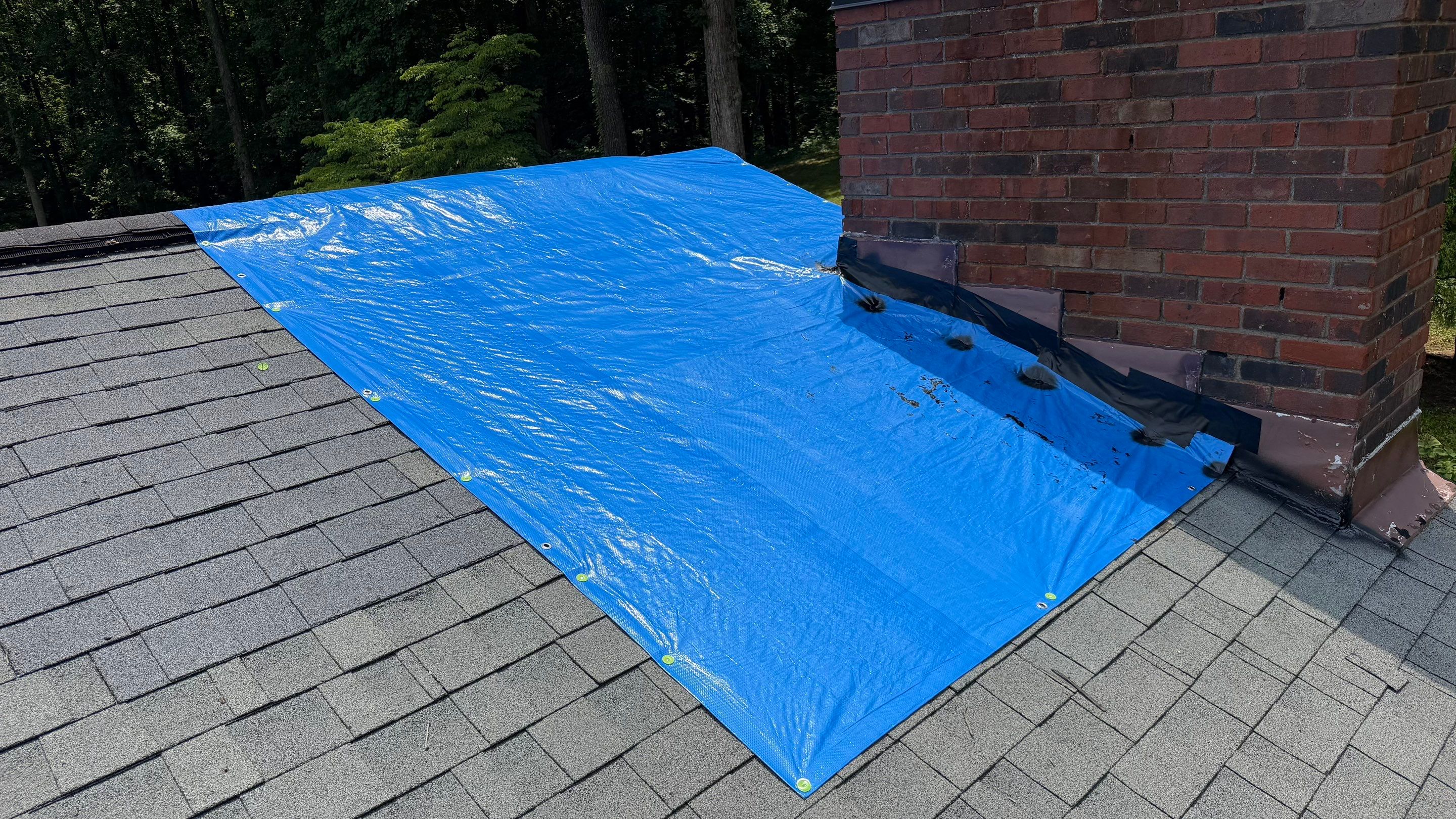
If you can see daylight through the roof deck from inside the attic, or water is actively coming through a ceiling, the priority is stopping more water from getting in, not documentation. Move furniture and belongings away from the leak. A bucket under an active drip buys time. For an actual hole or missing section of roof, emergency tarping is the standard fix until permanent repairs happen, and it needs to go on the same day if at all possible.
Valor Roofing answers calls live 24/7 and tarps emergencies the same day, specifically because a 24-hour gap between damage and a tarp is when a manageable leak turns into interior damage, insulation loss, and mold risk.
Document before anything gets touched or repaired
Once the immediate safety and water issues are handled, documentation is the next priority, and it needs to happen before any repairs start.
- Photograph every roof elevation from the ground, including sides that don't look damaged.
- Photograph any interior water stains, with a note of the room and roughly where it lines up with the roof above.
- Note the date and rough time of the storm, since insurers and contractors both need this to confirm the event.
- Photograph any damage to gutters, downspouts, siding, or fencing, since it can support the broader claim.
- Avoid climbing on the roof yourself for photos. Ground-level and window shots are enough for this stage.
Who to call, and in what order
The instinct is often to call the insurance company first. In practice, a professional inspection first gives you better information for that call.
- Call for emergency tarping if there's an active leak or exposed deck. This stops the damage from getting worse while everything else gets sorted out.
- Schedule a professional roof inspection. A documented, photo-based inspection report gives you (and your insurer) a clear picture of what actually happened, rather than guessing from the ground.
- Contact your insurance company with the inspection report in hand. Filing with documentation already prepared moves the process along faster than filing first and gathering evidence after.
- Avoid signing anything with a door-to-door crew that shows up unannounced. Storm-chasing contractors move into hard-hit neighborhoods within hours of a storm, and pressure to sign immediately is one of the clearest signs of a company that won't be around for the warranty.
What NOT to do in the first 24 hours
- Don't climb onto a roof you haven't had professionally assessed, even if it looks stable from the ground.
- Don't sign a contract with the first crew that knocks on your door.
- Don't wait multiple days to address an active leak, since the interior damage compounds quickly.
- Don't assume minor-looking damage means no claim is worth filing. A professional inspection settles that either way.
Frequently asked questions
What's the very first thing I should do after storm damage to my roof?
Check for immediate hazards first: downed power lines, gas odors, and structural instability. Then address any active leak before moving to documentation or phone calls.
Should I get on my roof to check the damage myself?
No. A roof deck that's taken storm damage can be unstable, and climbing on it before a professional inspection adds real risk. Ground-level photos are enough documentation for the first 24 hours.
Should I call my insurance company or a roofing contractor first?
A professional inspection first typically works better. It gives you a documented, accurate picture of the damage to reference when you do call your insurer, rather than reporting from a ground-level guess.
How fast do storm-chasing contractors typically show up after a storm?
Often within hours in hard-hit neighborhoods. Same-day, unsolicited door-to-door offers are common enough after Knoxville storms that it's worth treating any high-pressure, sign-today pitch with caution.
What if I can't tell whether my roof actually has damage worth claiming?
That's exactly what a free professional inspection settles. It costs nothing to find out, and a documented report either supports a claim or confirms there's nothing to file.
We answer live, 24/7, for exactly this moment
Valor Roofing tarps emergencies the same day and answers calls around the clock, because the first 24 hours after a storm are when decisions matter most.
Request an inspection or call (865) 468-8726 if your roof just took a hit.
Free, photo-documented inspection and a firm written price. No pressure, no in-home sales pitch.